Artistic Style
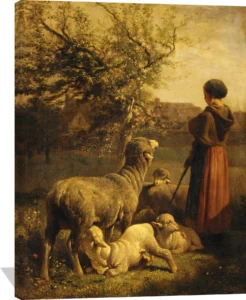
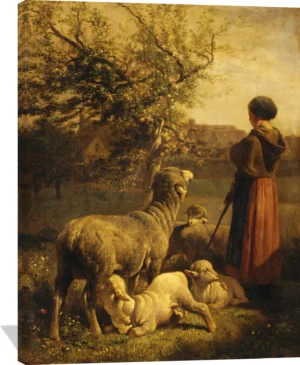
Jacque’s style is rooted in naturalism, marked by meticulous draftsmanship and a warm, earthy palette. His training as an engraver is evident in the precision of his line work, while his painterly approach embraces soft tonal transitions that evoke the quiet rhythms of the countryside. His scenes capture the honesty of rural labor, offering a poetic yet grounded portrayal of everyday life.
Subjects and Themes
Best known for his images of shepherds, flocks, and rustic farm settings, Jacque found enduring inspiration in the landscapes surrounding the Forest of Fontainebleau. His depictions of poultry yards, sheepfolds, and wooded paths convey both intimacy and authenticity. These themes reflect his lifelong interest in agrarian life, a subject he approached with a rare combination of observational rigor and emotional warmth.
Contributions and Significance
As part of the Barbizon movement, Jacque played an important role in shifting French art toward direct engagement with nature. His engravings helped popularize the work of fellow artists in the region, and his own paintings became influential touchstones for later generations seeking a more honest, unembellished view of rural France. Today, he is recognized for his distinctive pastoral vision and for elevating humble country scenes into enduring works of art.