Artistic Style
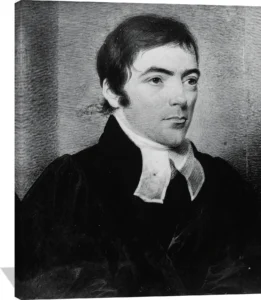
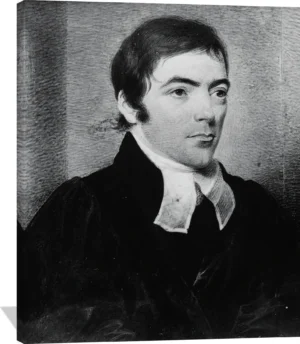
Fraser became known for his meticulously rendered watercolor miniatures, characterized by precise draftsmanship, gentle modeling of the face, and a restrained yet luminous palette. His portraits display a sensitivity to character that set his work apart, capturing not only likeness but the refined elegance expected in miniature portraiture of the era.
Notable Contributions
As one of Charleston’s foremost portrait miniaturists, Fraser played a significant role in preserving the visual history of the city’s influential families during a period when photography did not yet exist. His images were frequently commissioned to honor milestones, commemorate loved ones, or record familial lineage. Fraser also produced landscape views of Charleston and its surrounding areas, offering a rare visual record of the region’s architecture, gardens, and shoreline.
Typical Subjects
His primary focus was intimate portrait miniatures, often depicting sitters with refined attire, composed expressions, and subtle background treatments that highlighted their social stature. Fraser’s landscapes, though less numerous, reveal his keen eye for atmosphere and place, blending topographical accuracy with a poetic sensibility.
Cultural and Historical Significance
Fraser’s work provides an invaluable window into the cultural identity of the antebellum South. Through his portraits, he chronicled the personalities, fashions, and social dynamics of Charleston’s elite. His landscapes further enrich this legacy, offering rare visual testimony to the city’s early nineteenth‑century environment. Today, Fraser is recognized as a key figure in American miniature painting, admired for his exceptional craftsmanship and his enduring contribution to the visual heritage of the United States.