Artwork by Charles Caleb Ward

Charles Caleb Ward (ca. 1831–1896) was a Canadian-born American painter celebrated for his sensitive depictions of everyday life. Active during the mid‑ to late‑19th century, he developed a distinctive approach to genre and landscape painting that blended quiet observation with refined draftsmanship.

More about Charles Caleb Ward

Products

Showing the single result

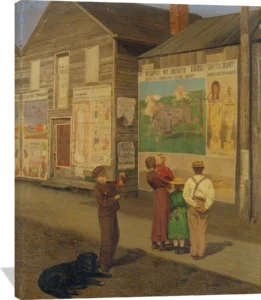
  • Coming Events Cast Their Shadows Before by Charles Caleb Ward, canvas print

    Coming Events Cast Their Shadows Before

    Charles Caleb Ward

    Canvas from

    $44.00

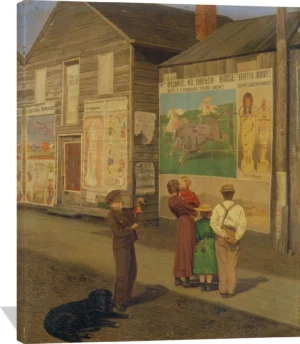
    The Charles Caleb Ward Coming Events Cast Their Shadows Before canvas captures a quiet moment of curiosity and community in a small-town street scene. Earthy browns, muted greens, and soft ochres evoke the warmth of late afternoon light, while figures pause to study colorful posters that hint at wonders to come. Ward’s realistic style and…

    Select optionsLoading Done This product has multiple variants. The options may be chosen on the product page

Showing 1 of 1 products

About Charles Caleb Ward

Artistic Style

Ward’s work is marked by a gentle realism, subtle tonal harmonies, and a calm, deliberate atmosphere. His paintings often feature carefully structured compositions and an understated emotional depth that reflects the influence of both European academic traditions and North American realism.

Subjects and Themes

He is best known for intimate interior scenes, rural settings, and portraits that capture the quiet rhythms of domestic and community life. Whether portraying a contemplative figure or a modest architectural space, Ward conveyed a sense of stillness that made ordinary moments feel resonant and enduring.

Legacy

Although not as widely recognized as some of his contemporaries, Ward holds an important place within 19th‑century North American art. His paintings offer a nuanced window into the social fabric of his era, distinguished by their clarity, restraint, and thoughtful realism. Today, his work is appreciated for its craftsmanship, emotional subtlety, and its contribution to the evolving visual identity of his time.