Artistic Style
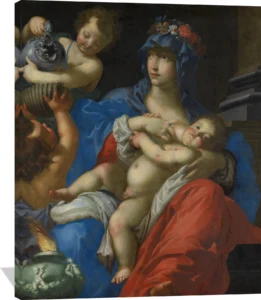
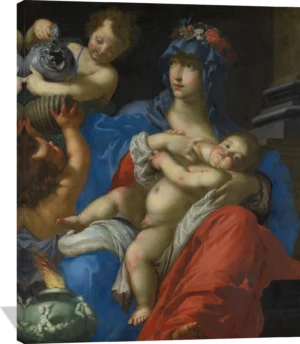
Dandini’s work is characterized by rich chiaroscuro, jewel-toned palettes, and an attention to delicate facial expression. His style bridges the sophistication of Mannerist refinement with the emerging Baroque impulse toward emotional immediacy. The result is a distinctive painterly voice that feels both classical and vividly alive.
Subjects and Themes
He is especially known for religious scenes, personifications, and half-length figures rendered with an almost theatrical sense of presence. Youthful saints, allegorical maidens, and figures in contemplative poses were among his favored motifs. These works often feature sumptuous fabrics and symbolic objects, creating compositions that are visually opulent yet deeply introspective.
Notable Contributions
As a central figure in the Florentine artistic community, Dandini influenced a generation of painters, including members of his own family workshop. His refined treatment of light and form contributed to the evolution of Tuscan Baroque painting, and pieces such as his depictions of Saint Catherine or Personifications of the Arts highlight his ability to merge ideal beauty with expressive depth.
Cultural Significance
Dandini’s paintings embody the transitional moment between Renaissance inheritance and Baroque innovation. Celebrated for their polished elegance and emotional clarity, his works remain admired for their craftsmanship and their role in shaping Florence’s seventeenth-century visual culture.