Artistic Style and Approach
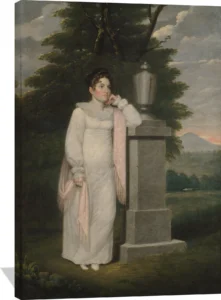
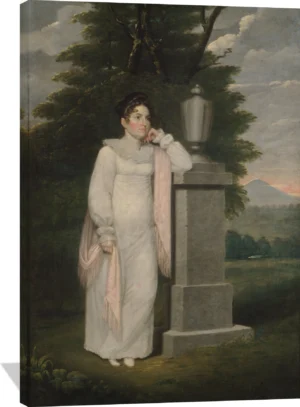
Thompson’s work is distinguished by its smooth, polished surfaces, graceful modeling of facial features, and a restrained yet evocative use of light. His style reflects the transition from colonial portrait traditions to a more sophisticated, neoclassical sensibility. Figures are often presented with calm dignity, rendered with careful attention to texture, posture, and character. A hallmark of his portraits is their gentle psychological presence, achieved without overt dramatization.
Subjects and Notable Contributions
Thompson focused almost exclusively on portraiture, portraying prominent New England families, political leaders, and influential citizens across various coastal communities. During his years working in the American South, he created a substantial body of portraits that provides valuable documentation of regional society during a period of rapid cultural change. His sitters are frequently shown with subtle symbolic details, allowing viewers insight into their professions, aspirations, and social identity.
Historical Significance
As a self-taught artist who built a successful career through itinerant practice, Thompson helped shape the visual record of post‑Revolutionary America. His works are important cultural artifacts, offering a window into the aspirations and refinement of an emerging nation. Today, he is regarded as a significant figure within early American art, appreciated for his elegant portraiture and his contribution to the development of American artistic identity during the Federal period.