Artistic Style and Influences
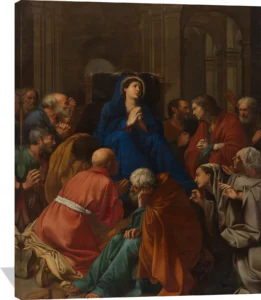
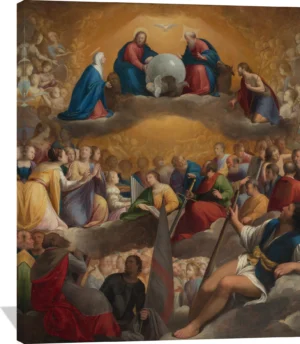
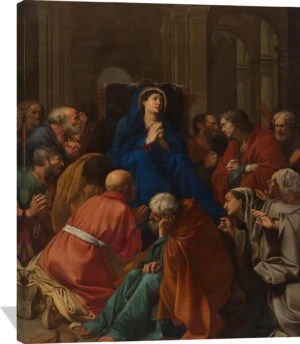
Saraceni’s style reflects the rich chromatic heritage of Venice, yet he embraced the powerful chiaroscuro and grounded realism associated with Caravaggio. This dual influence produced paintings that feel both radiant and intimate. His controlled lighting, subtle tonal gradations, and meticulous attention to detail reveal a painter deeply attuned to the emotional potential of light and shadow. His mature works often exhibit a calm yet compelling presence, distinguished by a quiet dramatic intensity.
Subjects and Themes
Though he painted a range of subjects, Saraceni is best known for religious narratives, small-scale devotional scenes, and mythological compositions. His figures are rendered with naturalistic tenderness, enriching familiar stories with psychological nuance. Works such as his versions of the Rest on the Flight into Egypt and the Martyrdom of Saint Cecilia show his ability to infuse sacred themes with warmth, humanity, and contemplative stillness. Even in moments of heightened emotion, he preferred poetic restraint over spectacle.
Legacy and Significance
During his career in Rome, Saraceni contributed to the development of a softer, more lyrical form of Caravaggism, influencing a circle of painters who admired his balanced approach. His return to Venice shortly before his early death helped introduce Roman Baroque tendencies to his home city, making him a significant conduit between two major artistic centers. Although his life was brief, his paintings display a distinctive synthesis of color, light, and narrative clarity that continues to be appreciated for its elegance and freshness.
Saraceni’s artworks remain valued for their serene luminosity, refined composition, and ability to transform traditional subjects into vivid, emotionally resonant scenes, securing his place as a key contributor to the evolving language of early Baroque painting.