Artistic Style
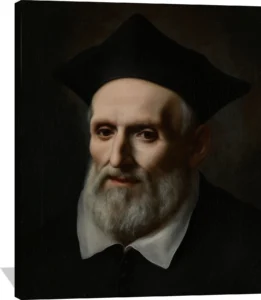
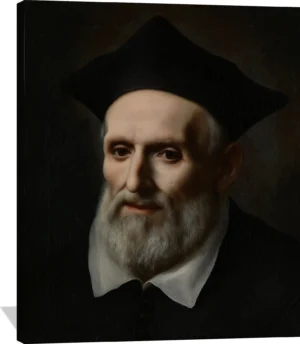
Dolci’s paintings are characterized by their precision, serene emotional tone, and polished clarity. While Baroque art often embraced dramatic movement and bold contrasts, Dolci favored a more contemplative approach. His compositions feature smooth modeling, delicate textures, and carefully controlled light that heightens the spiritual presence of his figures. His mastery of fine detail and his commitment to devotional elegance made his work highly sought after in Florence.
Subjects and Themes
Best known for his deeply expressive religious imagery, Dolci frequently portrayed Christ, the Virgin Mary, and saints with an emphasis on purity and emotional intimacy. Works such as St. Cecilia or Salvator Mundi embody the quiet reverence and gentle pathos that define his artistic voice. He also created refined portraits, capturing sitters with sensitivity and a sense of inner stillness.
Legacy and Significance
Carlo Dolci holds a distinguished place in art history for elevating devotional painting through exceptional craftsmanship and spiritual focus. His dedication to precision and his ability to evoke contemplative calm have made him a singular figure within the Florentine Baroque. Today, his paintings are admired for their technical brilliance and for the way they reflect the devotional culture of seventeenth-century Italy. Dolci’s work continues to resonate with collectors and admirers drawn to its beauty, serenity, and remarkable refinement.