Artistic Style
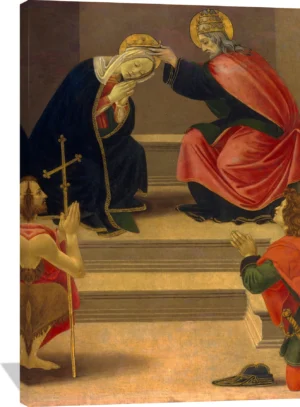
Botticelli’s style is distinguished by graceful linear rhythms, delicate contours, and a refined sense of movement. His paintings often convey an ethereal beauty, merging idealized forms with emotional subtlety. His use of flowing lines and expressive gesture became a hallmark of Florentine draftsmanship and remains one of the most recognizable features of his work.
Subjects and Themes
Working at the intersection of humanist thought and devotional tradition, Botticelli explored both sacred narratives and mythological allegories. He is celebrated for iconic compositions such as The Birth of Venus and Primavera, which blend classical mythology with a uniquely lyrical vision. In religious works, he approached biblical scenes with intimate emotion and spiritual clarity, capturing the contemplative mood of late fifteenth‑century Florence.
Contributions and Legacy
Botticelli’s art embodies the intellectual vibrancy of Renaissance Florence. His interpretations of classical themes helped shape a renewed visual interest in antiquity, while his devotional images influenced generations of painters seeking to balance realism with ideal beauty. A master draftsperson, he produced designs for prominent civic and religious commissions, contributing to the cultural identity of his city.
Cultural Significance
As an artist working during a transformative moment in European art, Botticelli forged a bridge between medieval spirituality and the emerging humanist worldview. His paintings reveal a rare combination of technical finesse and poetic imagination, qualities that secure his place as a central figure of Renaissance artistry and a continuing source of inspiration for artists, scholars, and collectors worldwide.