Artistic Style
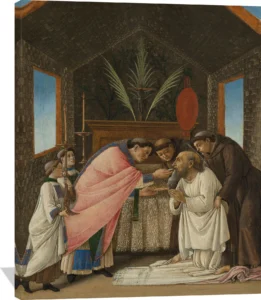
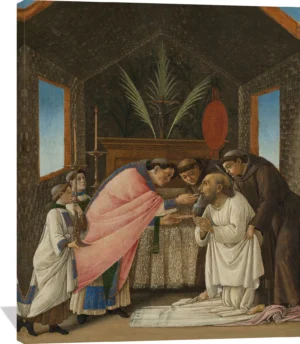
Botticelli’s style is distinguished by graceful linearity, expressive contours, and a refined sense of movement. His figures often appear weightless, radiating an otherworldly elegance that became a hallmark of Florentine painting. His subtle use of color and rhythmically flowing lines contributed to a visual language that remains instantly recognizable.
Notable Contributions
Among his most celebrated creations are the mythological masterpieces The Birth of Venus and Primavera, works that blend classical themes with a uniquely poetic sensibility. He also played a significant role in religious art, producing altarpieces and devotional images of remarkable emotional depth. As a contributor to the decoration of the Sistine Chapel, Botticelli helped shape one of the era’s most important artistic undertakings.
Subjects and Themes
His paintings frequently explore classical mythology, allegory, and sacred narratives. Whether portraying deities, saints, or symbolic figures, Botticelli imbued his subjects with a sense of inner life, weaving together human emotion, divine idealism, and narrative clarity.
Cultural Significance
Botticelli’s work reflects the intellectual and cultural vitality of Renaissance Florence. His ability to merge classical learning with expressive storytelling made him a central figure in the Medici‑era artistic landscape. Today, he is revered for his enduring influence on Western art and for the timeless elegance that defines his visionary imagination.