Artistic Style
Campi’s work is recognized for its harmonious composition, polished draftsmanship, and nuanced use of color. His paintings often feature graceful figures rendered with gentle modeling and a poised, almost theatrical sense of presence. Drawing on influences from Correggio and the Cremonese school, he cultivated a personal style marked by clarity, warmth, and distinctive emotional subtlety.
Subjects and Themes
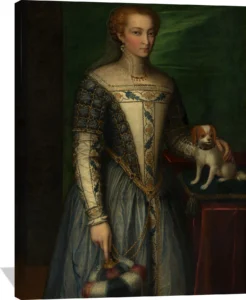
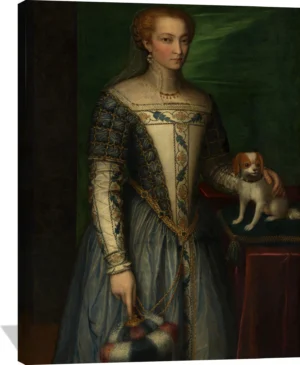
He specialized in religious imagery, particularly altarpieces and devotional scenes that conveyed serene spirituality. Campi’s portraits, another significant part of his oeuvre, reveal his ability to capture both likeness and character with sophistication. These works, whether sacred compositions or depictions of prominent patrons, demonstrate his command of gesture, expression, and atmospheric depth.
Legacy and Significance
As a central figure in the artistic culture of Cremona, Campi influenced a generation of painters, including members of his own prominent artistic family. His contributions helped bridge the transition from High Renaissance balance to the more refined Mannerist sensibility that shaped northern Italy in the sixteenth century. Today, his paintings are valued for their craftsmanship, their lyrical elegance, and their role in defining the visual identity of his region during a period of cultural flourishing.