Artistic Style and Influences
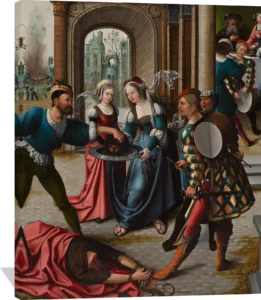
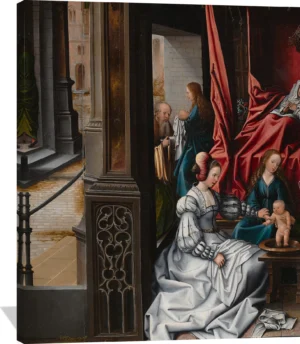
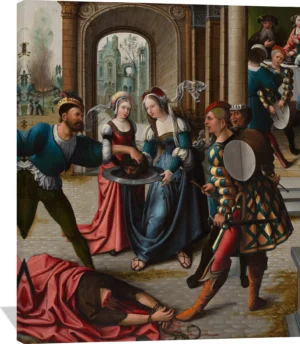
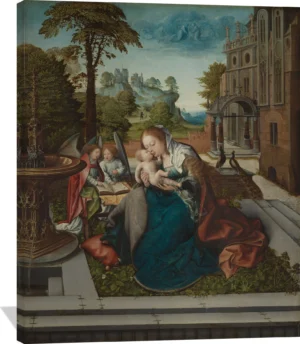
Van Orley’s work is distinguished by its refined draftsmanship, vivid color harmonies, and expressive characterization. While rooted in the Netherlandish tradition of meticulous detail, his exposure to Raphael’s designs introduced a sense of classical balance and graceful compositional rhythm to his paintings and tapestries. This unique blend made him a leading conduit of Italian Renaissance ideas in the Low Countries.
Notable Contributions
He is celebrated for his altarpieces, portraits, and especially for his significant role in the development of Brussels tapestry production. Working closely with local workshops, van Orley designed ambitious narrative cycles that elevated tapestry to a prestigious art form across Europe. His contributions helped cement Brussels as a dominant center of textile artistry.
Subjects and Themes
Religious narratives, courtly portraiture, and biblical cycles formed the core of van Orley’s oeuvre. His figures are rendered with psychological nuance, while his compositions reveal a careful orchestration of gesture and symbolism. In works such as The Triptych of the Virgin and The Hunts of Maximilian, he combined atmospheric detail with a monumental sense of presence, demonstrating his command of both intimate devotional imagery and large-scale decorative programs.
Cultural and Historical Significance
As a central artistic voice of early sixteenth-century Brussels, Bernard van Orley played a crucial role in shaping the visual culture of the Northern Renaissance. His influence extended through painting, print design, and particularly tapestry, where his innovations contributed to the enduring prestige of Flemish textile art. Today he is recognized as a master whose work bridged regions and styles, leaving a legacy defined by artistic synthesis and refined narrative power.