Artistic Style
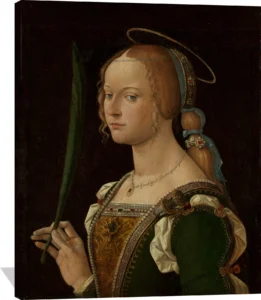
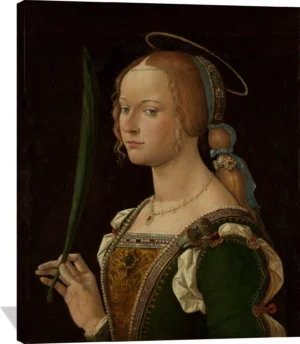
Montagna’s style blends the luminous color and atmospheric depth associated with Venetian painting with a sculptural clarity reminiscent of early Lombard influences. His compositions often feature calm, monumental figures arranged with architectural precision. Through controlled light, refined contours, and a restrained palette, he created works that convey both spiritual intensity and classical balance.
Subjects and Themes
Best known for his devotional imagery, Montagna frequently depicted the Madonna and Child, saints, and altarpiece narratives. These subjects are rendered with a meditative stillness that highlights his mastery of emotional nuance. He also produced portraits characterized by introspective presence and subtle realism.
Notable Contributions
Montagna played a key role in shaping Vicenza’s artistic identity during the Renaissance. His workshop trained several painters, and his altarpieces established enduring stylistic standards for the region. His ability to merge Venetian colorism with a more austere, architectural sensibility is a signature contribution to Italian Renaissance art, giving his paintings a distinct harmony and a sense of elevated calm.
Legacy
Today, Montagna is recognized for the purity of his compositions and his disciplined approach to form. His paintings, often centered on themes of contemplation and sacred dignity, continue to exemplify the refinement and quiet power of the Vicentine Renaissance. With their measured beauty and timeless serenity, his works remain treasured touchstones of Italy’s artistic heritage.