Artistic Style
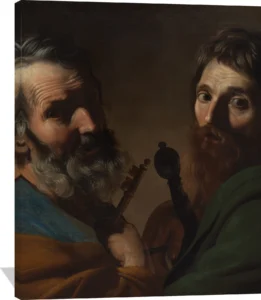
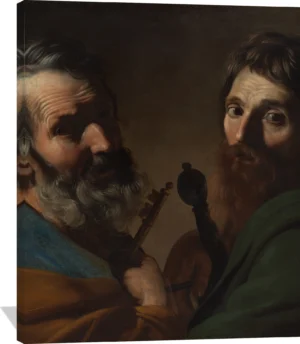
Manfredi embraced the radical realism of Caravaggio while developing a distinctly measured approach to light, gesture, and composition. His works feature strong chiaroscuro, but with a balanced, almost sculptural calm that distinguishes them from the intensity of his mentor’s style. This synthesis became known as the “Manfredi manner,” a formulation that profoundly influenced subsequent generations of European painters.
Subjects and Themes
He is best known for genre scenes and biblical narratives rendered with striking immediacy. Frequent subjects include musicians, soldiers, drinkers, and fortune tellers, along with episodes such as the Crowning with Thorns or the Calling of Saint Matthew. Manfredi’s figures are grounded in everyday observation, yet elevated through his refined sense of drama and atmosphere.
Legacy and Significance
Though he left no known workshop, Manfredi’s impact was substantial. His adaptation of Caravaggio’s innovations into a more accessible and codified visual language made him a central transmitter of the early Baroque. Artists from France, the Netherlands, and Germany absorbed his approach, and his compositions were widely circulated and imitated. Today, Manfredi is recognized as a crucial architect of the international Caravaggesque movement, admired for the clarity, emotional resonance, and quiet power that define his work.