Artistic Style
Beham was celebrated for his exceptionally fine engraving technique, characterized by precise linework, subtle shading, and miniature-scale compositions rich in detail. Influenced by the German Little Masters, he developed a refined visual language that balanced technical mastery with intimate, sharply observed scenes. His work consistently reveals a strong command of form, proportion, and texture, showcasing a sophistication remarkable for his era.
Notable Subjects and Themes
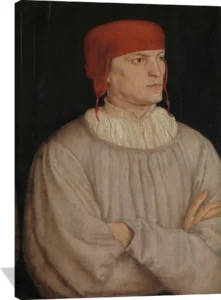
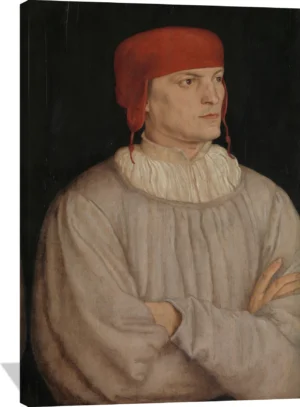
Beham’s oeuvre includes portraits, mythological narratives, allegorical scenes, and religious subjects, often rendered with psychological nuance and symbolic depth. He frequently depicted classical figures, moralizing themes, and contemporary life, presenting them with a clarity and intensity that made his engravings highly sought after. His portraits, in particular, demonstrate a distinctive ability to capture character and social presence through expressive detail.
Cultural and Historical Significance
As a prominent member of the Nuremberg artistic community, Beham contributed meaningfully to the flourishing visual culture of the Northern Renaissance. His engravings circulated widely across Europe, shaping artistic exchange and influencing both peers and later generations. Despite a career marked by intellectual controversy and independent thought, his artistic voice remained uniquely disciplined and resonant.
Legacy
Barthel Beham’s legacy rests on the precision and sophistication of his engraved works, many of which are considered masterpieces of Northern Renaissance printmaking. His ability to infuse small-scale images with narrative complexity and emotional weight continues to distinguish him as one of the era’s most skilled and influential engravers.