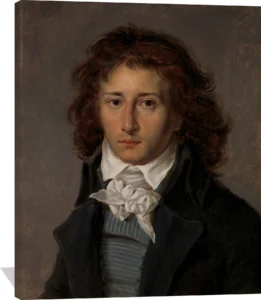
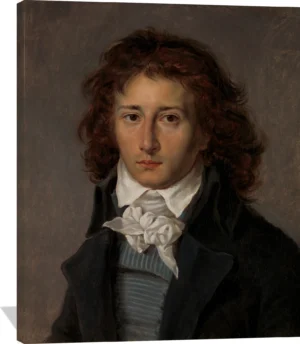
Artistic Style
Gros’s work is distinguished by energetic compositions, dramatic lighting, and a keen psychological intensity. His ability to merge precise draftsmanship with sweeping, atmospheric effects made his paintings stand out among his peers. While grounded in classical technique, he infused his scenes with a sense of immediacy that would influence the next generation of French artists.
Notable Contributions
Celebrated for grand historical paintings such as Bonaparte Visiting the Plague Victims of Jaffa and Napoleon at the Bridge of Arcole, Gros reshaped how contemporary events were depicted in art. His canvases offered a powerful blend of realism and heroism, reflecting both the turmoil and the ambition of the Napoleonic era. These works positioned him as a central figure in the visual culture of early nineteenth‑century France and contributed significantly to the rise of Romantic sensibilities.
Subjects and Significance
Gros frequently portrayed military campaigns, battlefield scenes, and commanding portraits, capturing the drama and volatility of his time. His emotionally charged approach set him apart from strictly classical painters, marking him as a precursor to artists who embraced more expressive, individualistic modes of storytelling. Today, his oeuvre is valued for its bold synthesis of tradition and innovation, as well as its vivid documentation of a transformative moment in European history.