Artistic Style
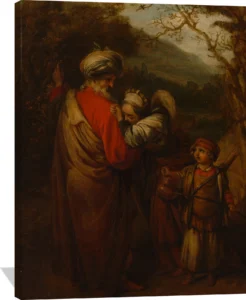
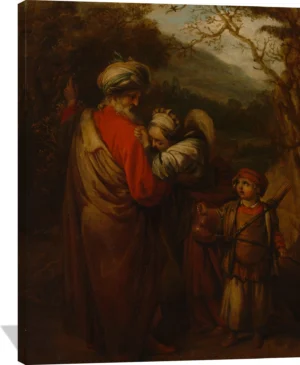
Fabritius’s paintings are recognized for their warm tonalities, softly diffused illumination, and intimate focus on the human figure. His style reflects the broader Amsterdam school yet carries a personal subtlety, marked by gentle psychological depth and careful attention to gesture. His brushwork often conveys a quiet immediacy, allowing viewers to feel closely connected to his subjects.
Subjects and Themes
Religious narratives formed the core of Fabritius’s oeuvre, depicted with empathy rather than drama. He excelled at portraying moments of contemplation, humility, and devotion, often set within modest interiors. His secular works, which include portraits and genre scenes, reveal the same interest in character and atmosphere. Figures appear thoughtfully modeled, illuminated by a soft radiance that enhances their emotional presence.
Legacy and Significance
Though overshadowed historically by some contemporaries, Fabritius contributed meaningfully to the evolution of Dutch narrative painting. His ability to blend realism with introspective mood makes his work especially resonant today. Collectors value his paintings for their refined execution, human warmth, and the quiet strength that defines the Dutch Golden Age at its most contemplative.