Artistic Style and Approach
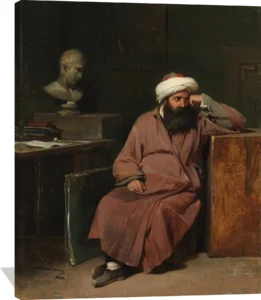
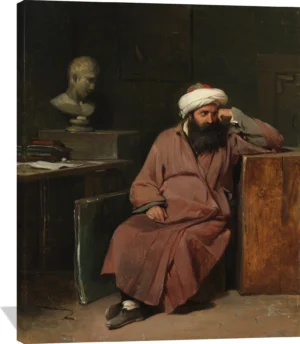
Leprince is celebrated for his refined genre scenes, executed with a clarity and elegance characteristic of early French Romanticism tempered by a strong classical foundation. His paintings reveal meticulous draftsmanship, delicate tonal harmony, and a keen eye for narrative detail. He worked primarily in oil but also produced drawings and watercolors that demonstrate his confident, precise line and atmospheric control.
Subjects and Themes
The artist is best known for his lively depictions of Parisian street life, rural activities, and domestic interiors. His scenes often portray artisans at work, families in intimate settings, and bustling social encounters, capturing the texture of everyday existence with remarkable immediacy. Works such as La Toilette and Le Départ pour la Chasse exemplify his ability to convey human character through subtle gesture and expression. Many of his compositions include carefully observed costume, architecture, and objects, offering a vivid sense of early nineteenth‑century French culture.
Notable Contributions
Leprince played a key role in elevating genre painting during his era, bringing a heightened level of sophistication and emotional nuance to scenes previously regarded as modest subject matter. His storytelling approach and finely balanced compositions influenced contemporaries and helped shape the growing appreciation for intimate, everyday themes in French art. Despite his early death in Nice at the age of twenty‑seven, he managed to produce a mature and memorable body of work that continues to attract collectors for its charm, craftsmanship, and authenticity.
Cultural Significance
Today, Leprince’s paintings are valued for their vivid window into nineteenth‑century French life and their elegant fusion of realism and poetic sentiment. His work offers a rare blend of technical finesse and human warmth, making him a distinctive voice within the broader development of French genre painting.