Artistic Style
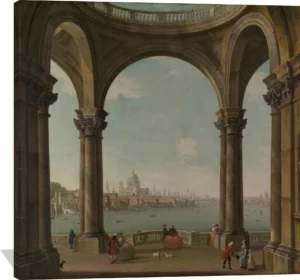
Joli’s work is characterized by luminous perspectives, precise architectural renderings, and a keen sense of stagecraft. His paintings often balance topographical accuracy with poetic embellishment, creating vistas that feel both authentic and subtly idealized. This approach reflects his dual training in landscape painting and theatrical scenography.
Subjects and Themes
Best known for his sweeping cityscapes, harbor views, and capricci, Joli captured iconic locations such as Venice, Rome, and Naples with striking clarity. He frequently depicted ceremonial events, festive gatherings, and royal processions, documenting the grandeur of contemporary civic life. His scenes often feature elegantly arranged figures that animate the architectural settings without overwhelming them.
Legacy and Significance
Joli played a pivotal role in shaping the visual language of 18th‑century urban views. As a court painter in Spain and later a leading figure in Naples, he influenced both local and international patrons seeking vivid portrayals of European landmarks. His combination of theatrical composition and painterly precision helped elevate the veduta genre, leaving a legacy of works that remain admired for their clarity, atmosphere, and distinctive sense of spectacle.