Artistic Style
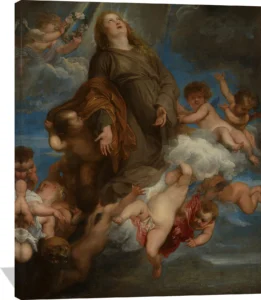
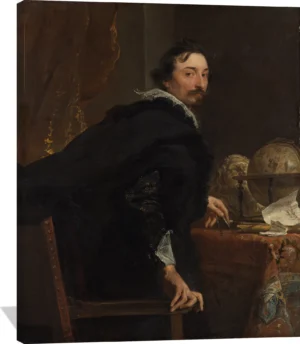
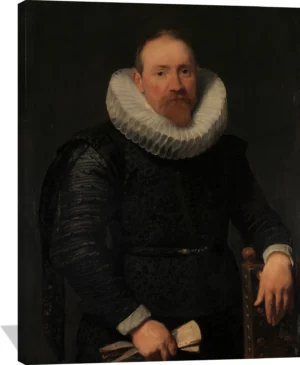
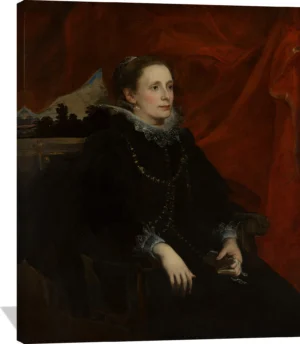
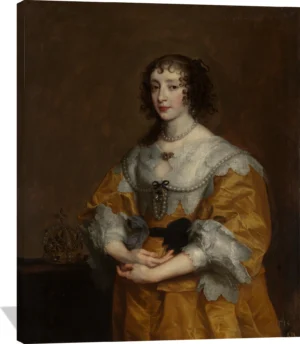
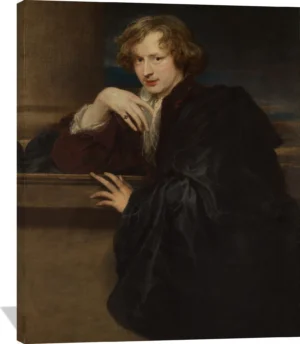
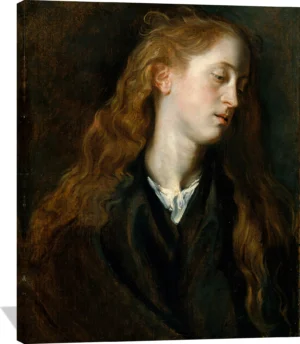
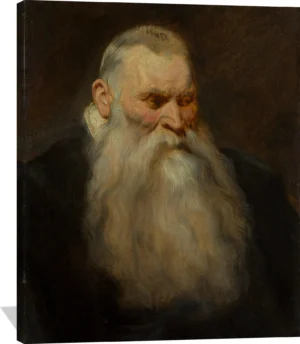
Van Dyck’s work is defined by its refined elegance, expressive naturalism, and masterful handling of color. His portraits blend psychological depth with an effortlessly graceful presentation, making sitters appear both noble and approachable. A subtle, luminous palette and fluid brushwork give his paintings their characteristic sense of poise and vitality.
Typical Subjects
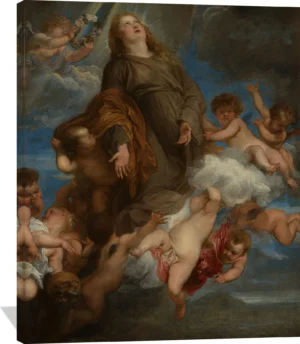
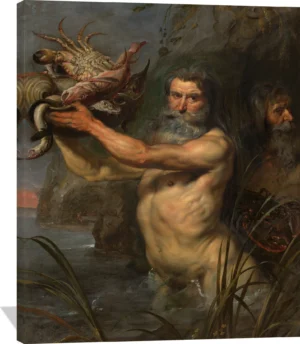
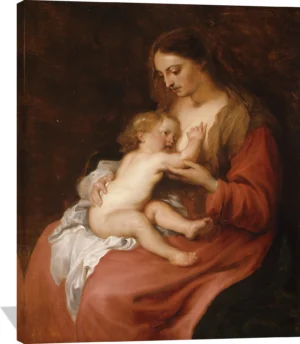
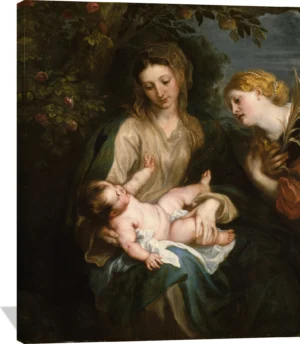
Best known for his portraits of aristocrats, statesmen, and members of royal courts, van Dyck captured the prestige and personality of Europe’s elite. His appointment as principal court painter to Charles I of England led to some of his most iconic works. In addition to portraiture, he produced religious and mythological scenes, though these were secondary to his celebrated likenesses.
Contributions and Significance
Van Dyck transformed English portraiture, setting a new standard for elegance and sophistication that influenced generations of artists. His ability to fuse realism with an elevated sense of presence established a model for court portraiture that shaped European art well beyond his lifetime. His distinctive refinement and nuanced psychological insight remain hallmarks of his legacy.