Artistic Style and Approach
Girodet’s paintings are distinguished by their meticulous draftsmanship, luminous surfaces, and a distinctively atmospheric mood. While grounded in classical ideals of proportion and harmony, his work often introduces dreamlike elements, elegant elongation of forms, and a heightened emotional charge. These qualities helped shape the shift from strict academic restraint toward a more expressive and introspective visual language.
Subjects and Themes
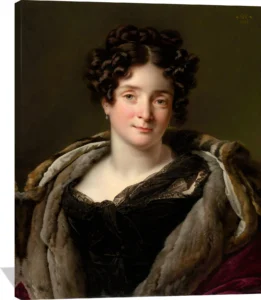
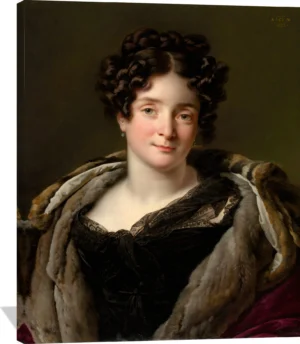
He is known for his history paintings, literary subjects, and refined portraiture. Girodet frequently explored themes of heroism, mythology, and allegory, reflecting both intellectual rigor and personal sensitivity. Portraits such as those of political and cultural figures reveal his ability to merge realism with idealization, creating images that feel both intimate and elevated.
Notable Contributions
Girodet earned early recognition with compositions that demonstrated a sophisticated understanding of classical narratives, yet he distinguished himself through the subtly romantic atmosphere he brought to these themes. Works such as his celebrated Endymion exemplify his characteristic blend of precision and sensuality, presenting the human figure with an almost ethereal glow. His experiments with light effects, delicate contours, and evocative settings influenced the next generation of French artists seeking alternatives to academic convention.
Cultural and Historical Significance
As a pivotal figure in late eighteenth- and early nineteenth-century French art, Girodet represents the transition between two major artistic eras. His painting embodies the intellectual strength of Neoclassicism while anticipating the emotional depth and individuality later embraced by Romanticism. His work remains admired for its technical mastery, distinctive atmosphere, and its role in shaping a new artistic sensibility during a transformative period in European culture.