Artistic Style
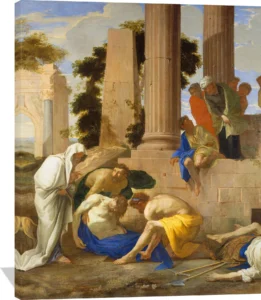
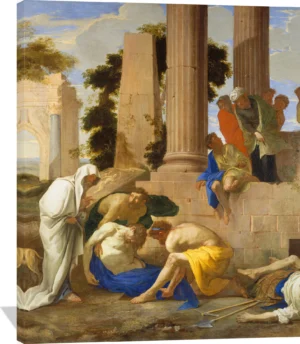
Di Lione’s work is characterized by energetic movement, luminous color, and finely detailed figures. Influenced by both local Neapolitan traditions and the broader Roman Baroque, he developed a refined style that blends dramatic storytelling with a balanced, almost classical clarity. His brushwork brings vitality to bustling scenes while maintaining a harmonious overall structure.
Subjects and Themes
Best known for his battle scenes, mythological narratives, and depictions of ancient Roman history, di Lione infused these complex subjects with theatrical intensity. Crowded compositions, expressive gestures, and architectural backdrops frequently appear in his work, creating immersive visual worlds. His ability to animate large groups of figures within intricate settings became one of his signature accomplishments.
Legacy and Significance
Andrea di Lione played a distinct role in the development of Neapolitan Baroque painting. His contributions helped shape the region’s taste for historical and heroic imagery, and his vivid interpretations of classical themes left a lasting imprint on later generations of local artists. Today, his paintings are admired for their spirited energy, refined technique, and the cultural insight they offer into seventeenth‑century Naples.