Artistic Style
Wertmuller’s paintings reveal a strong command of classical technique, shaped by his European academic training. His figures display a graceful idealization, while their surroundings are rendered with clarity and meticulous detail. His approach combines a soft, atmospheric light with expressive yet controlled poses, giving his portraits a dignified calm characteristic of the Neoclassical era.
Notable Contributions
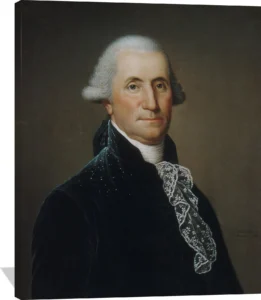
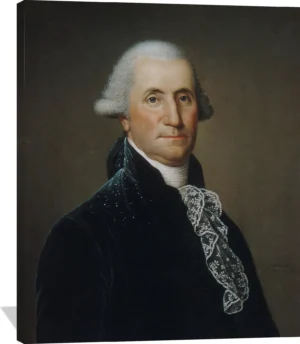
Among his significant achievements is one of the earliest painted likenesses of George Washington, a work that helped introduce European artistic refinement to the developing American cultural scene. His compositions often reflect the intellectual values of the Enlightenment, with an emphasis on reason, order, and harmonious proportion. As a skilled portraitist, he captured both the physical presence and the cultivated spirit of his sitters.
Subjects and Themes
Wertmuller focused primarily on portraiture, portraying political leaders, members of high society, and figures of cultural importance. Alongside his portraits, he produced mythological and allegorical scenes that reveal his mastery of the academic tradition. Works such as his celebrated depiction of Venus, Venus Rising from the Sea, illustrate his ability to convey ideal beauty with a delicate balance of softness and precision.
Cultural and Historical Significance
As one of the first internationally trained artists to settle in the United States, Wertmuller played a quiet but influential role in shaping the nation’s early artistic identity. His presence introduced American patrons to a more classically oriented style at a time when the country was forging its cultural foundations. Today, his work is appreciated for its elegant technique, historical resonance, and its connection to the transatlantic exchange of artistic ideas that shaped early American art.