Artistic Style and Vision
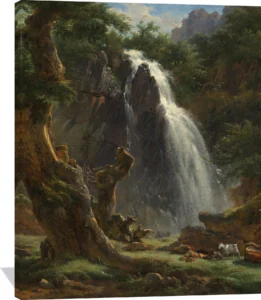
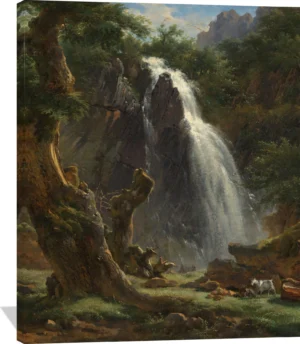
Michallon’s work is distinguished by its harmonious blend of neoclassical structure and the atmospheric sensitivity that would soon define Romanticism. His compositions balance clarity with emotional depth, integrating carefully studied natural forms with an elevated, poetic tone. He frequently infused his landscapes with a sense of grandeur, crafting scenes that evoke both serenity and quiet drama.
Subjects and Themes
He is best known for landscapes inspired by the French countryside and his travels in Italy, where the ruins, forests, and rugged terrains deeply shaped his artistic language. Michallon’s scenes often depict ancient sites, monumental trees, and sweeping vistas rendered with precise draftsmanship. These works reflect his commitment to studying nature directly, a practice that helped set the stage for the generation of landscape painters that followed.
Legacy and Cultural Significance
Despite his early death, Michallon’s impact was substantial. As one of the first winners of the Prix de Rome for landscape painting, he helped elevate the genre within the academic hierarchy. His teaching and artistic outlook influenced younger artists, including the renowned Jean-Baptiste-Camille Corot. Today, Michallon is remembered for his role in shaping a new, more expressive vision of the natural world and for the refinement and quiet power that characterize his work.