Artistic Style
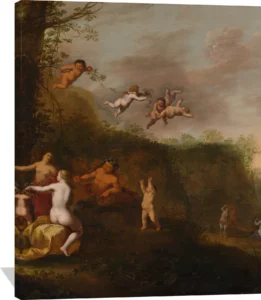
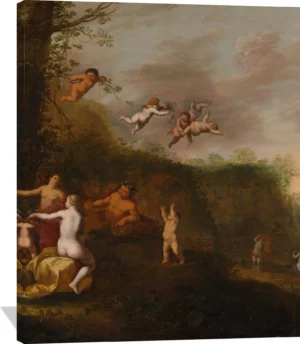
Cuylenborch is best known for his meticulously crafted grotto and cavern scenes, where dramatic light and shadow create a sense of mystery and quiet grandeur. His work often features delicately modeled figures set against luminous rock formations, revealing his gift for integrating human narratives within evocative, otherworldly settings. This poetic interplay of light, architecture, and landscape became his signature approach and remains a hallmark of his artistry.
Subjects and Themes
Drawing inspiration from classical literature and biblical narratives, Cuylenborch frequently depicted episodes involving mythological deities, heroic travelers, and contemplative wanderers. Whether illustrating a moment of divine encounter or a tranquil pastoral pause, he infused each composition with a serene theatricality, encouraging the viewer to linger within the scene’s carefully constructed atmosphere.
Legacy and Significance
Though his career was relatively brief, Cuylenborch made a lasting impact through his innovative fusion of fantasy and realism. His paintings stand out for their polished technique and their ability to evoke a world both imagined and grounded in natural observation. Collectors and historians value his work for its distinctive mood, its graceful architectural forms, and its role in expanding the expressive possibilities of Dutch landscape painting. A master of the grotto scene and a subtle storyteller, he remains a compelling figure within the heritage of Dutch Golden Age art.