Artistic Style
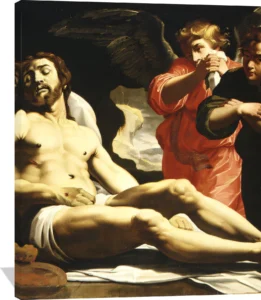
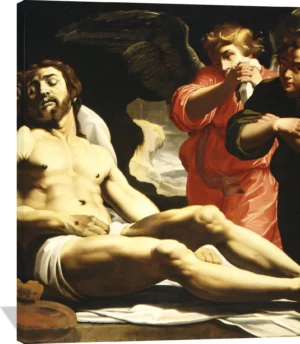
Janssen’s style is shaped by his exposure to the chiaroscuro traditions of Caravaggio and his circle, which he adapted into a uniquely Flemish idiom. His paintings often feature powerful contrasts of light and shadow, sculptural forms, and a quiet emotional intensity. This synthesis of atmospheric drama and subtle naturalism gives his work a compelling visual depth and marks him as one of the significant early adopters of Caravaggism in the Southern Netherlands.
Subjects and Themes
He is best known for religious compositions, mythological scenes, and expressive figure studies. His saints, prophets, and classical characters emerge with a strong physical presence, rendered with careful attention to anatomy and texture. Even in multi-figure arrangements, Janssen maintains a sense of solemn focus, allowing viewers to engage deeply with the narrative moment. Works such as The Penitent Saint Jerome and Susanna and the Elders exemplify his ability to fuse storytelling with atmospheric drama.
Contribution and Legacy
As one of the earliest Flemish painters to embrace the bold tonal contrasts associated with Caravaggist painting, Janssen played a notable role in shaping the visual trajectory of the Antwerp school. His approach offered an alternative to the high dynamism then emerging under Peter Paul Rubens, emphasizing instead a more introspective and sculptural sensibility. This balance of Northern detail and Italian influence positioned him as a bridge between two major artistic traditions.
Cultural Significance
Operating within one of Europe’s most vibrant artistic centers, Janssen contributed to the flourishing of Flemish Baroque painting during a period of profound cultural and religious change. His works continue to attract attention for their technical restraint, psychological nuance, and their place within the broader movement of early seventeenth‑century Caravaggism. Today, he is appreciated for his role in shaping the expressive vocabulary of Flemish art and for the enduring resonance of his quietly dramatic compositions.