Artistic Style
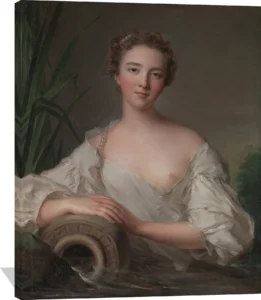
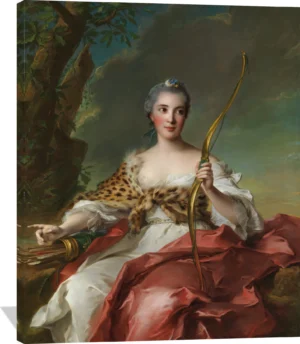
Nattier’s work is characterized by luminous color, polished surfaces, and a graceful synthesis of realism and idealization. His portraits often incorporate mythological or allegorical elements, presenting sitters in imaginative guises that enhance their poise and prestige. This stylistic approach contributed to a distinctive visual language that balanced courtly sophistication with gentle intimacy.
Subjects and Themes
Best known for his portraits of aristocratic women, Nattier frequently portrayed members of the French nobility, including many figures linked to the royal family. He depicted his subjects with an emphasis on serenity, refinement, and elegance, often integrating symbolic attributes or luxurious drapery to elevate their presence. His ability to merge likeness with poetic embellishment became a hallmark of his celebrated oeuvre.
Legacy and Significance
Nattier’s paintings offer an enduring window into the aesthetics and cultural values of eighteenth‑century France. His work stands out for its harmonious blend of naturalistic detail and Rococo charm, and his mastery in transforming portraiture into a form of visual storytelling secured his reputation as a leading figure of the period. Today, his art remains admired for its technical finesse, timeless beauty, and its subtle yet powerful reflection of French aristocratic identity.