
Henry Inman
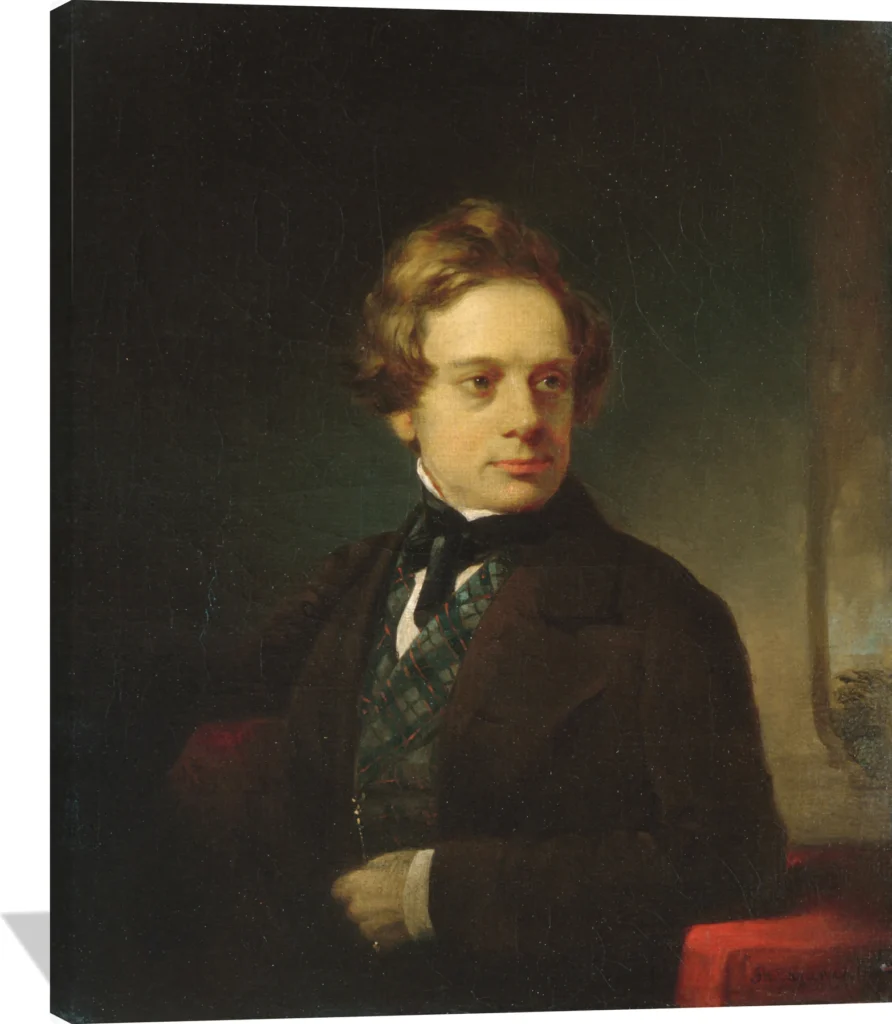
The Jacob Hart Lazarus Henry Inman canvas captures a refined 19th-century portrait imbued with quiet dignity and warmth. Rich tones of deep brown, emerald green, and soft gold highlight the sitter’s thoughtful expression against a dark, velvety backdrop, creating a timeless composition that radiates sophistication.
This elegantly rendered wall art brings a touch of classical grace to any interior. Perfect for a study, living room, or entryway, this canvas print celebrates Lazarus’s masterful attention to light and texture, offering a distinguished focal point that complements both traditional and modern décor.
Jacob Hart Lazarus (1822–1891) was an American painter celebrated for his refined portraiture and sensitive rendering of character. Active in the cultural circles of 19th‑century New York, he became known for works that balanced technical precision with a quietly expressive emotional depth.
Artistic Style
Lazarus worked in a realist tradition, favoring meticulous draftsmanship, rich tonal modeling, and a restrained elegance that aligned with the tastes of the mid‑Victorian era. His paintings often reveal a measured interplay of light and shadow, bringing a subtle vitality to his sitters without overt dramatization.
Subjects and Contributions
Best known for his portraits, Lazarus captured prominent figures of his time, including notable members of New York’s intellectual and artistic community. His portrayal of his cousin, the poet Emma Lazarus, stands among his most recognized works. Through these intimate yet dignified images, he contributed to shaping the visual record of American cultural life in the decades surrounding the Civil War.
Cultural Significance
Lazarus holds a meaningful place in American art history as part of the generation that helped define the nation’s developing artistic identity. His paintings reflect both the aspirations and the aesthetics of a society in transition, offering a window into the refinement, values, and personal narratives of 19th‑century America. While not as widely known today, his work remains appreciated for its authenticity, craftsmanship, and enduring sense of quiet sophistication.
Trust & policies
- 🚚 Free tracked shipping to 45+ countries. Local import duties or taxes may apply in some destinations.
- 🎨 Made-to-order, printed close to your delivery location
- 🛡️ If damaged, defective, or misprinted: free replacement or refund
- 🌍 Printed in US/CA/EU/UK/AU based on delivery location
- 💎 Acid-free, fade-resistant canvas with solid wood stretcher bars
- 🖼️ Optional pine floating frames in white, black, or brown
- 🪝 Ready to hang — hardware pre-installed